

Nothing liberates our greatness like our desire to help, desire to serve. – Miriam Williamson
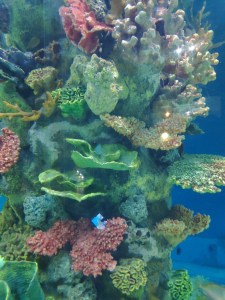 Manila Ocean Park
-According to the RAMSAR Convention, Wetlands are defined as: “areas of marsh, fen, peatland or water, whether natural or artificial, permanent or temporary, with water that is static or flowing, fresh, brackish or salt, including area marine water the depth of which al low tide does not exceed six meters”. (Article 1.1)
Rivers are the “arteries of our planet”
-The steady flow of clean, freshwater is an essential element for vast ecosystem and the health and survival of billions of people. Rivers have played an important and life-sustaining role in human societies for thousands of years. The rivers continue to be a very important source of food with its tremendous supply of fish, rivers indirectly aid in cultivation with its supply of water for the crops.
Pasig River – is 26 km long, 50 meters wide and an average of four to six meters deep. The river basins include eight cities and three municipalities Pasig City, City of Manila, Pateros, Caloocan City, Marikina City, Pasay City, Taguig City, San Juan, Mandaluyong City and Makati City. The Pasig River basin is 570 square km.
Marikina River – waterway is connected to Pasig river. It has supported lives of people in Marikina through the abundance of the river. However, due to uncontrolled and indiscriminate disposal of domestic and industrial garbage, the water quality of Marikina River deteriorated. The river became a dumpsite and a vector of disease.
WATER FOR ALL – freshwater ecosystems sustain us all, humans and wildlife alike. Ancient civilizations emerged when mankind discovered agriculture which made permanent settlement possible. Farming all over the world has always relied upon a dependable water supply. This is the reason why these first great civilization emerged along riverbanks. Today, these ecosystems suffer from water depletion and water pollution. We need to gain a better understanding of these ecosystems to be able to create an ecologically compatible water management program and sustainable agricultural practices.
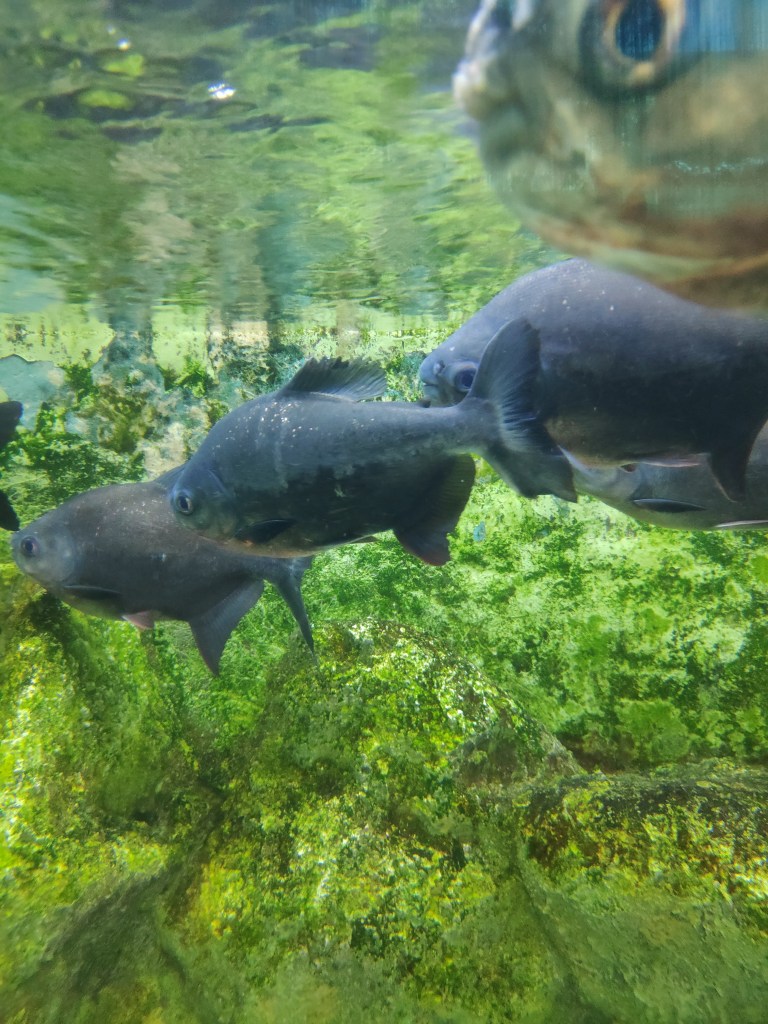
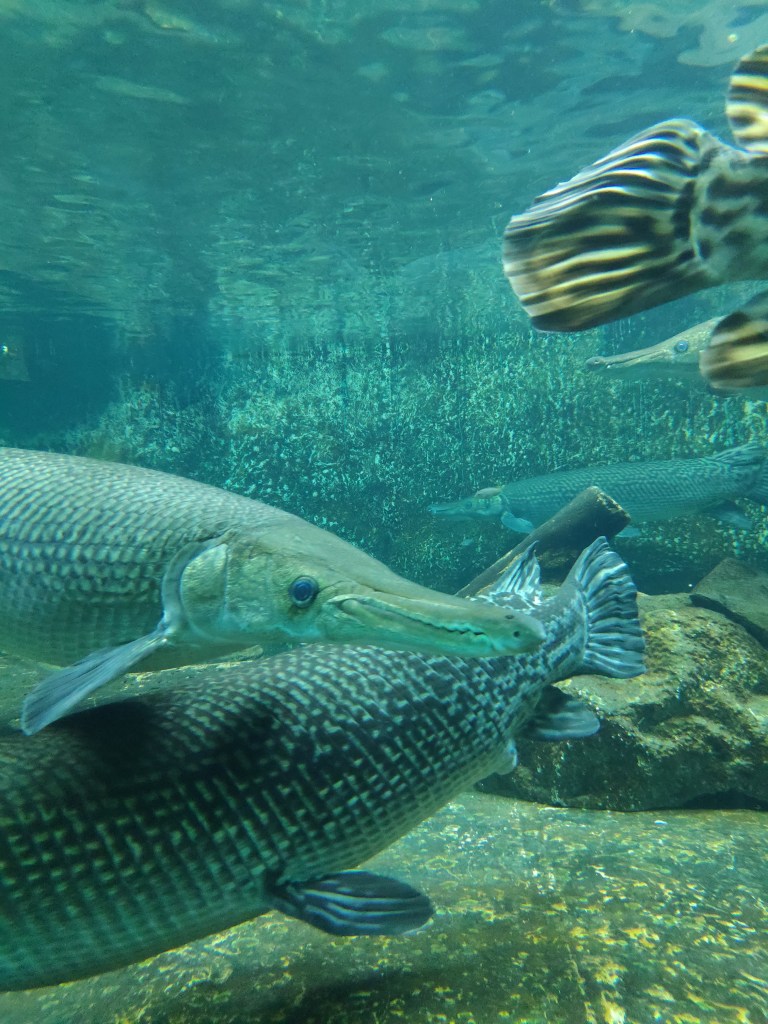
Freshwater Organism
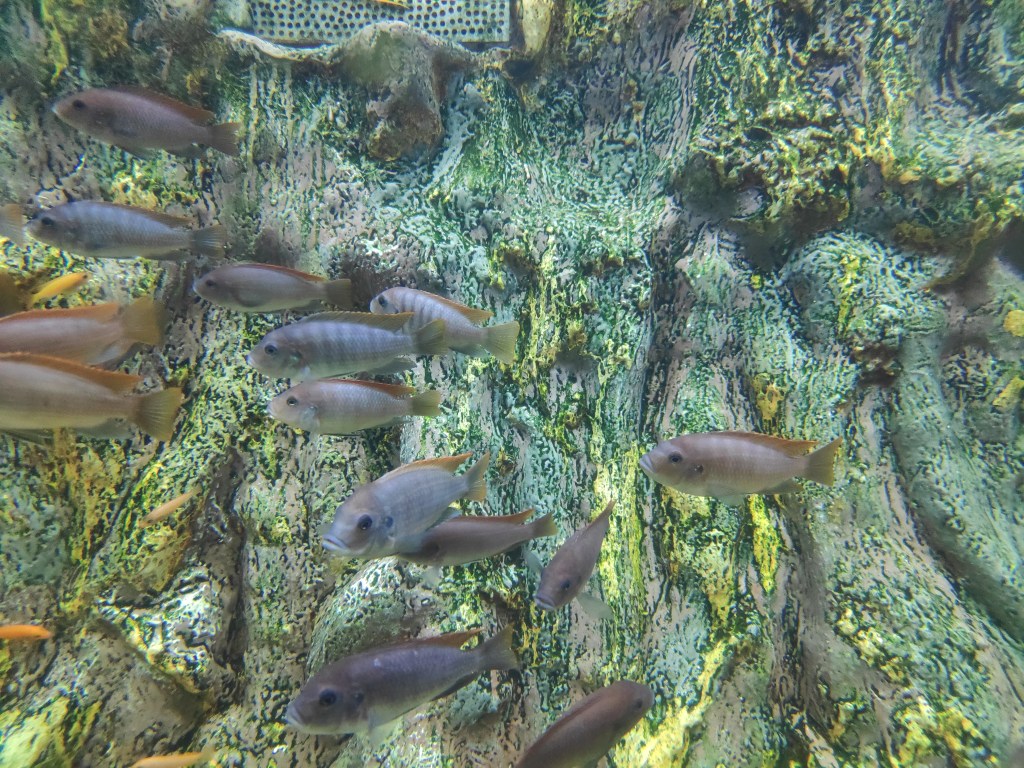
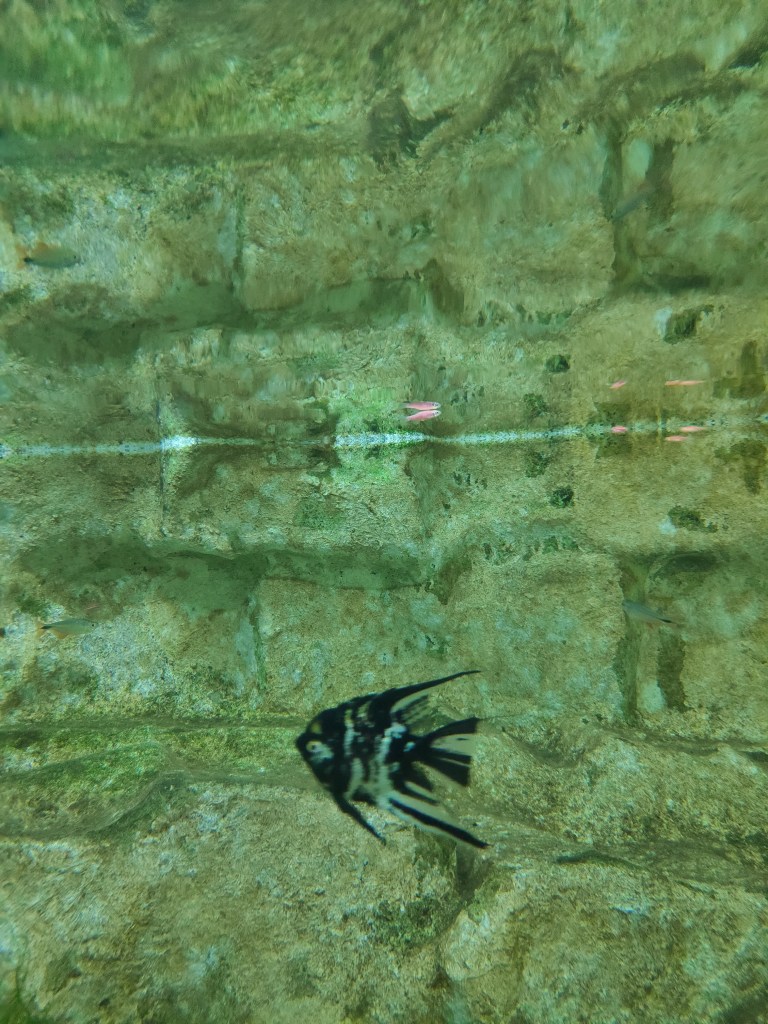
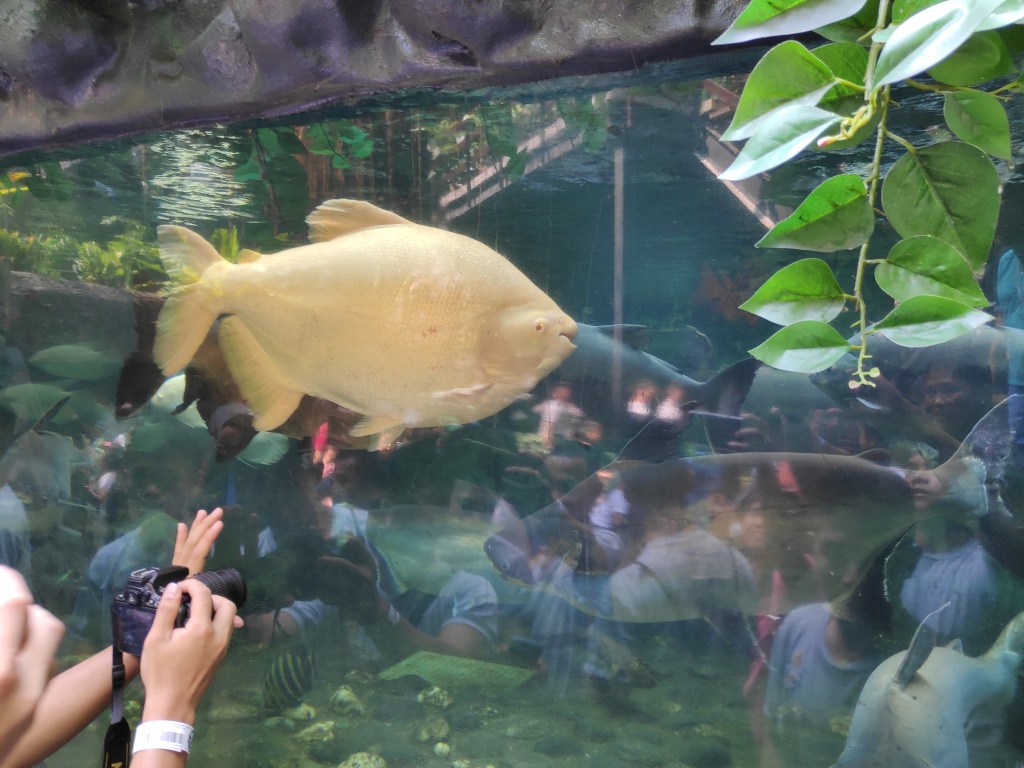
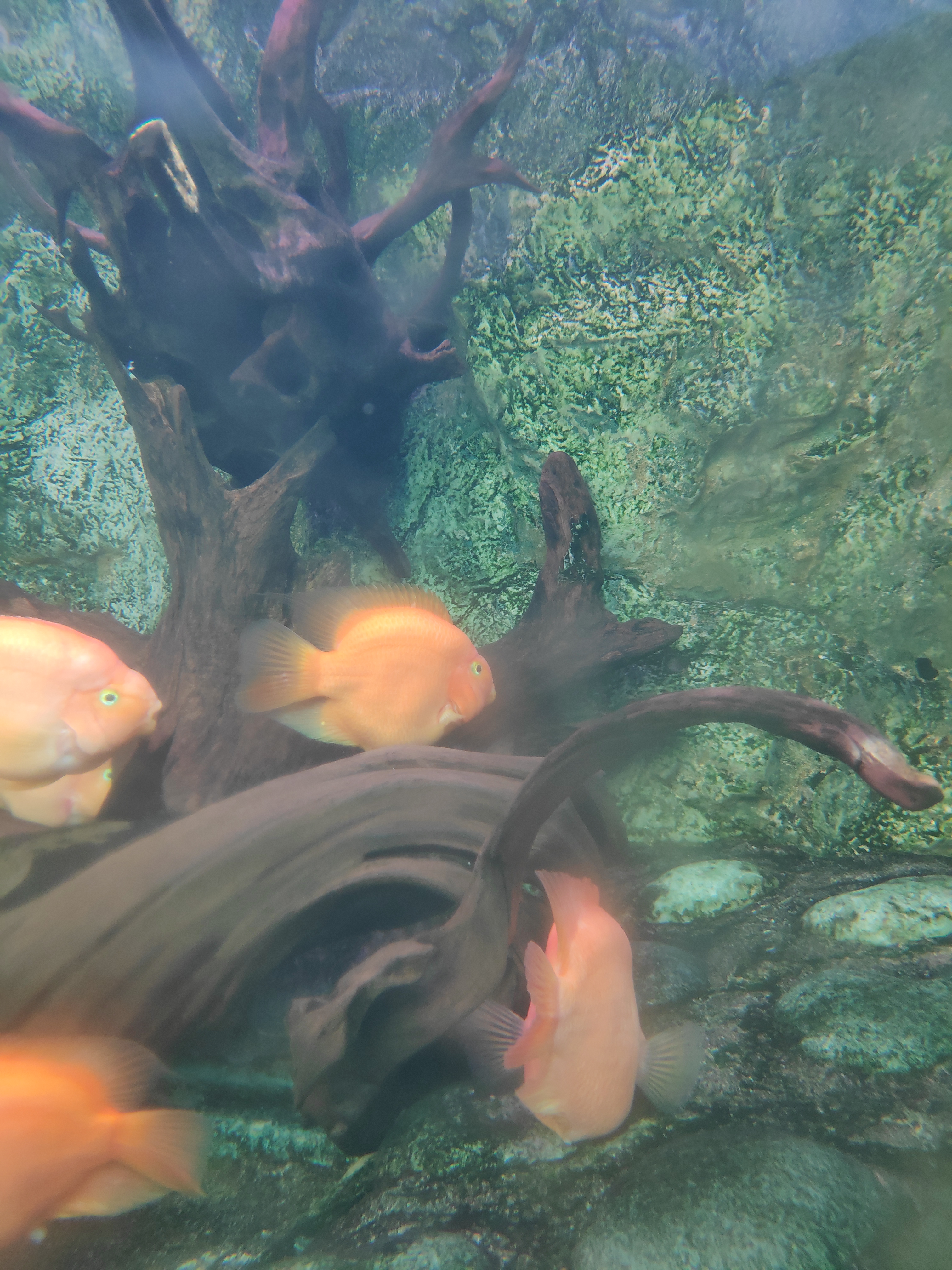
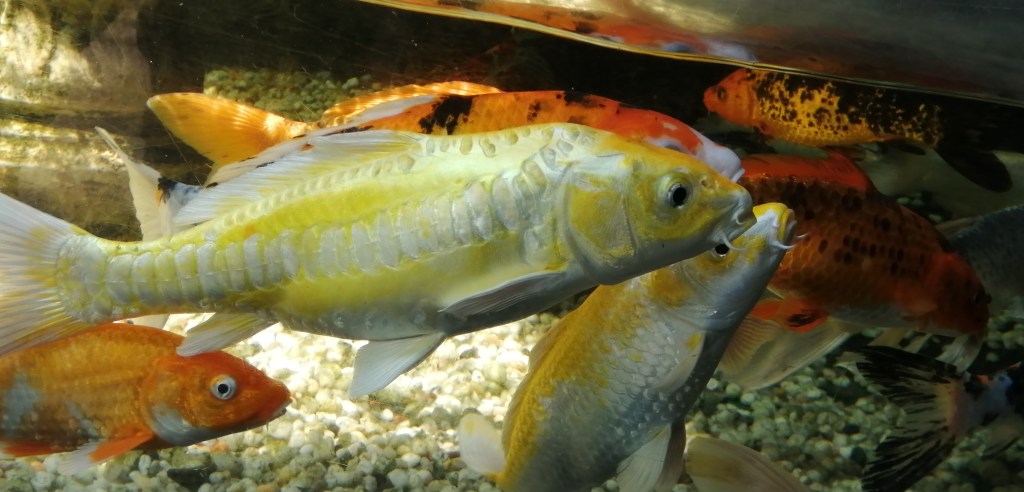
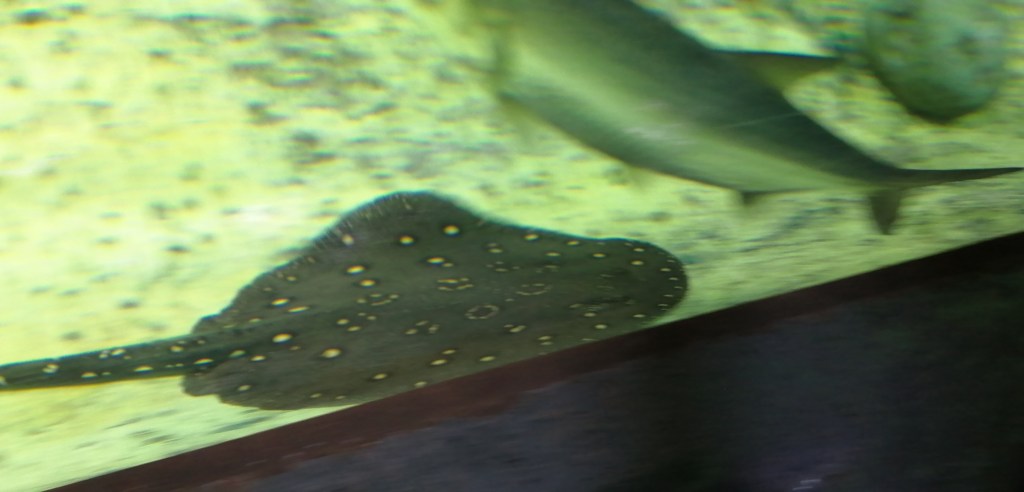
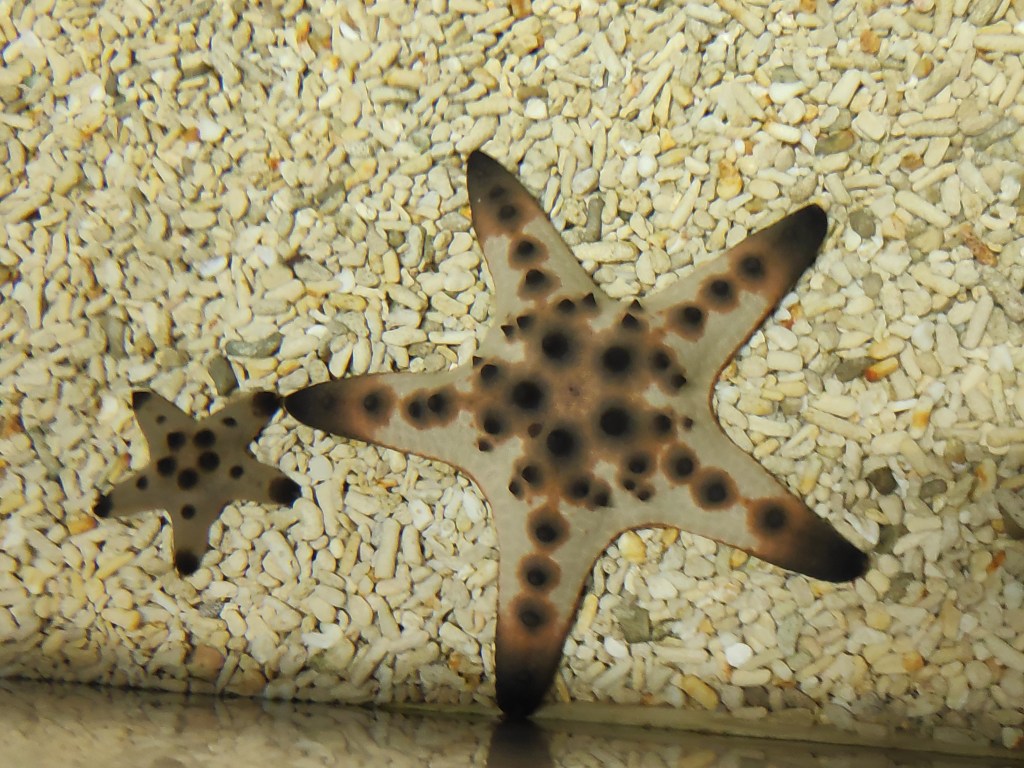
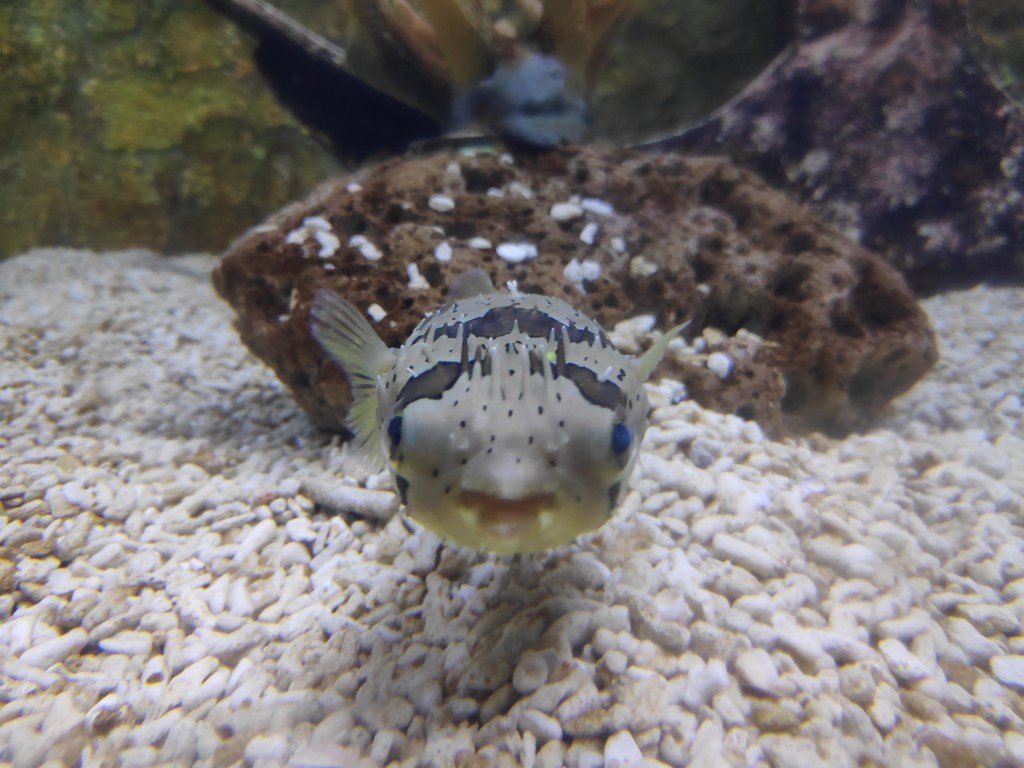
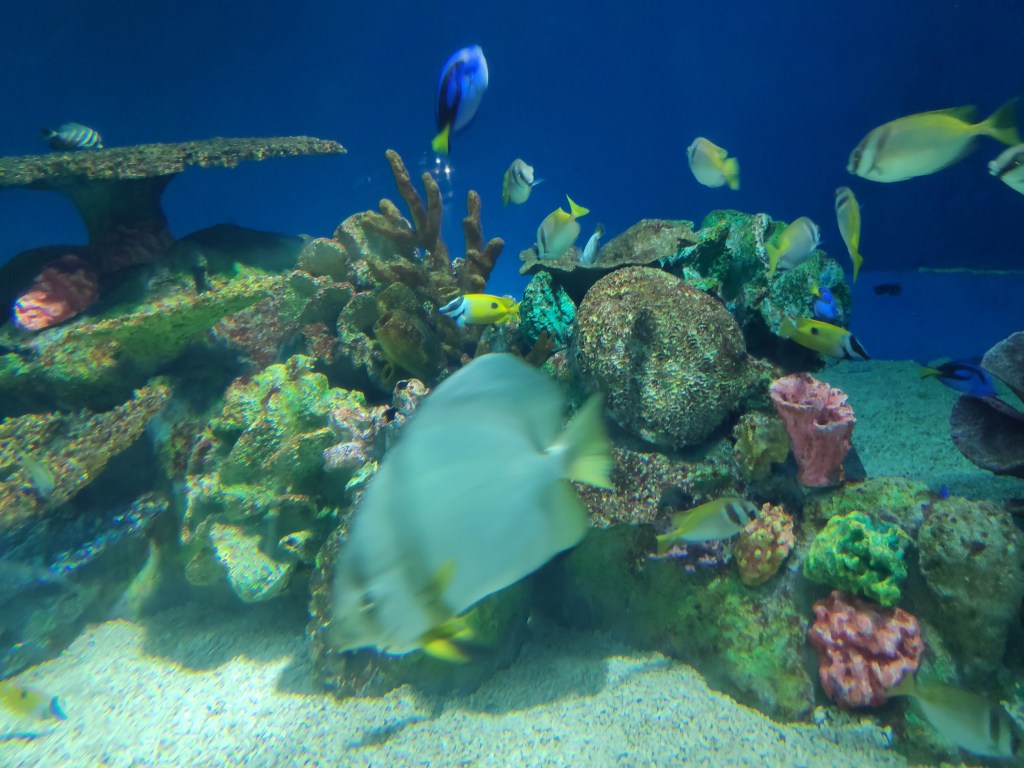
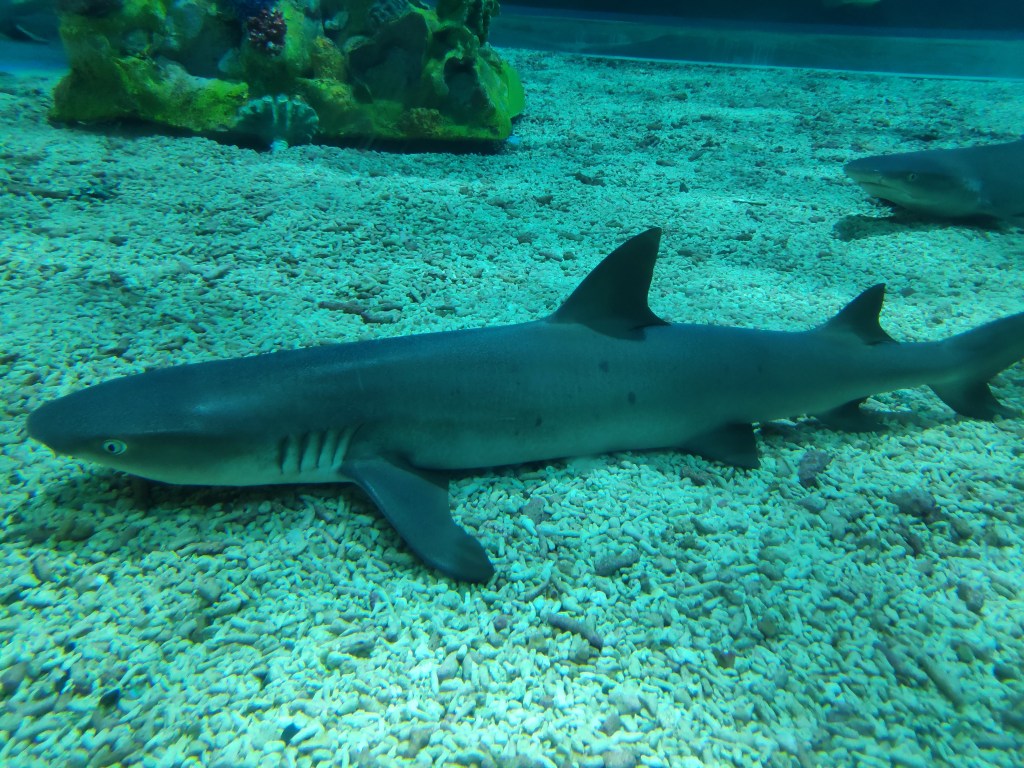
Marine Organism
TRIVIA
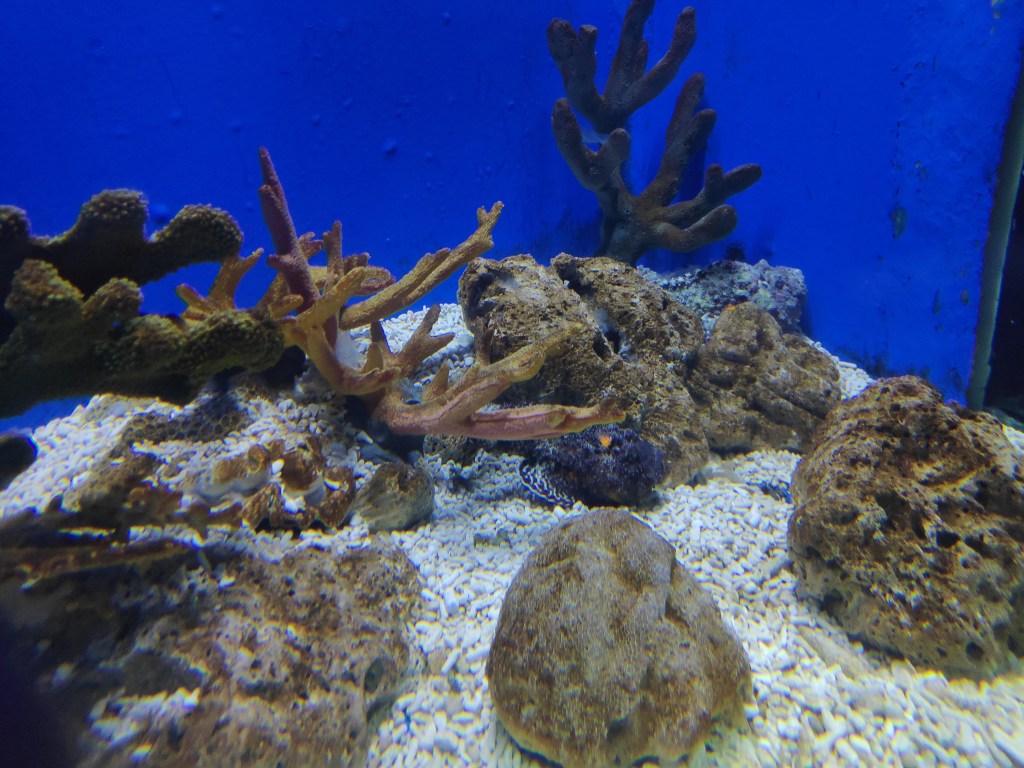
Did you know that The Philippines’ rich marine biodiversity: 5,000 species of clams, snails and mollusks; 488 species of corals; 981 species of bottom-living algae; and thousands of other organisms. 5 out of seven sea turtle species known to exist in the world today occur in Philippine waters.
METRO MANILA!
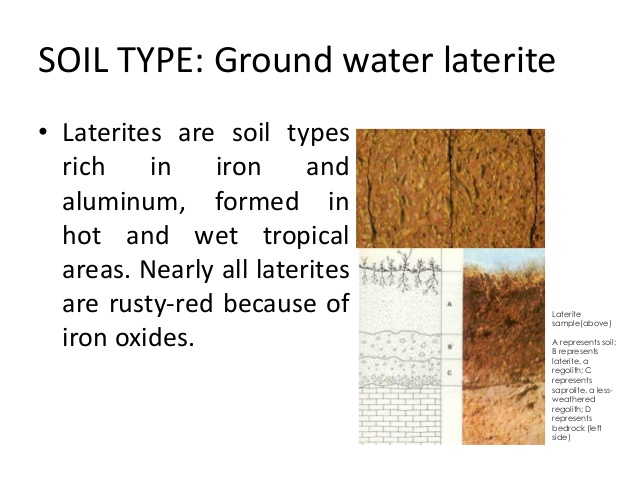
Some ecological problems that Metro manila is encountering is the pollution. It is either air, noise, and etc. and also the excessive Global warming that manila can offer.
REFLECTION
In the tour i thought that everything i have learned in class will be somewhat examined during the tour but nevertheless some of it was proven and others are yet to be explored. for example, the Major ecosystems, Natural resources and their management, Wastes and their management that was discussed inside the classroom.
Some environmental principles that i have observed during the tour was the Nature knows best since they contribute to our living by giving natural resources essential for our daily activities, everything must go somewhere and in this principle our trashes that we throw in our society somewhat got to us and the consequence we also get from it, All forms of life are equally important like the penguin even we don’t come across them everyday they contribute to our society as equalizer of marine ecosystem, and other principles that are stated in the book.
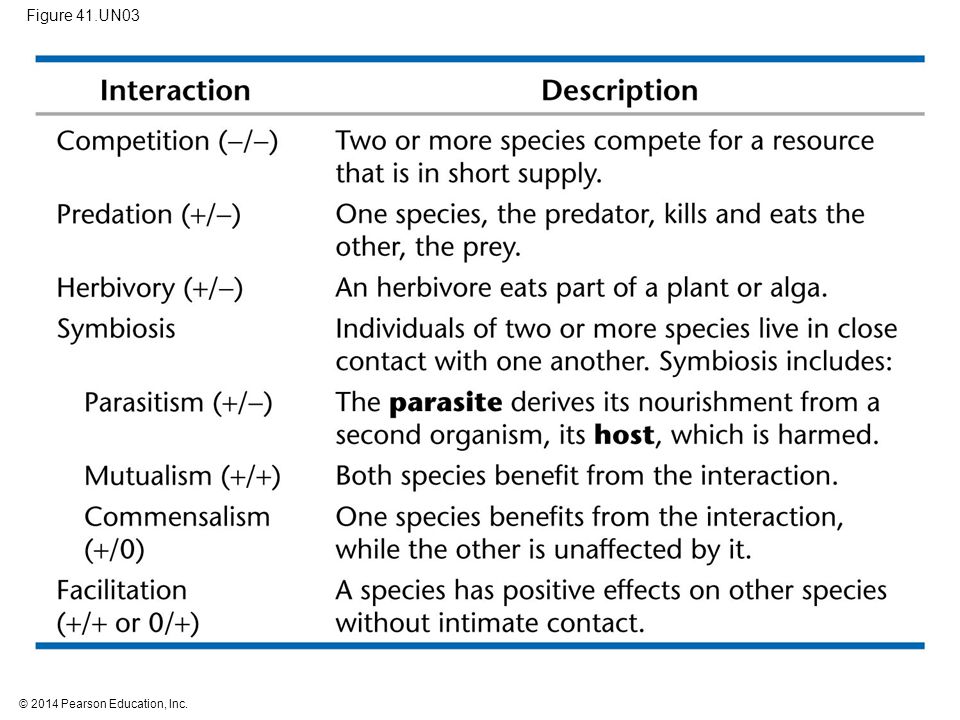
I also observed the relationship between abiotic and biotic components of ecosystem since inside the aquarium of manila ocean park they always have to interact since it is their habitat.
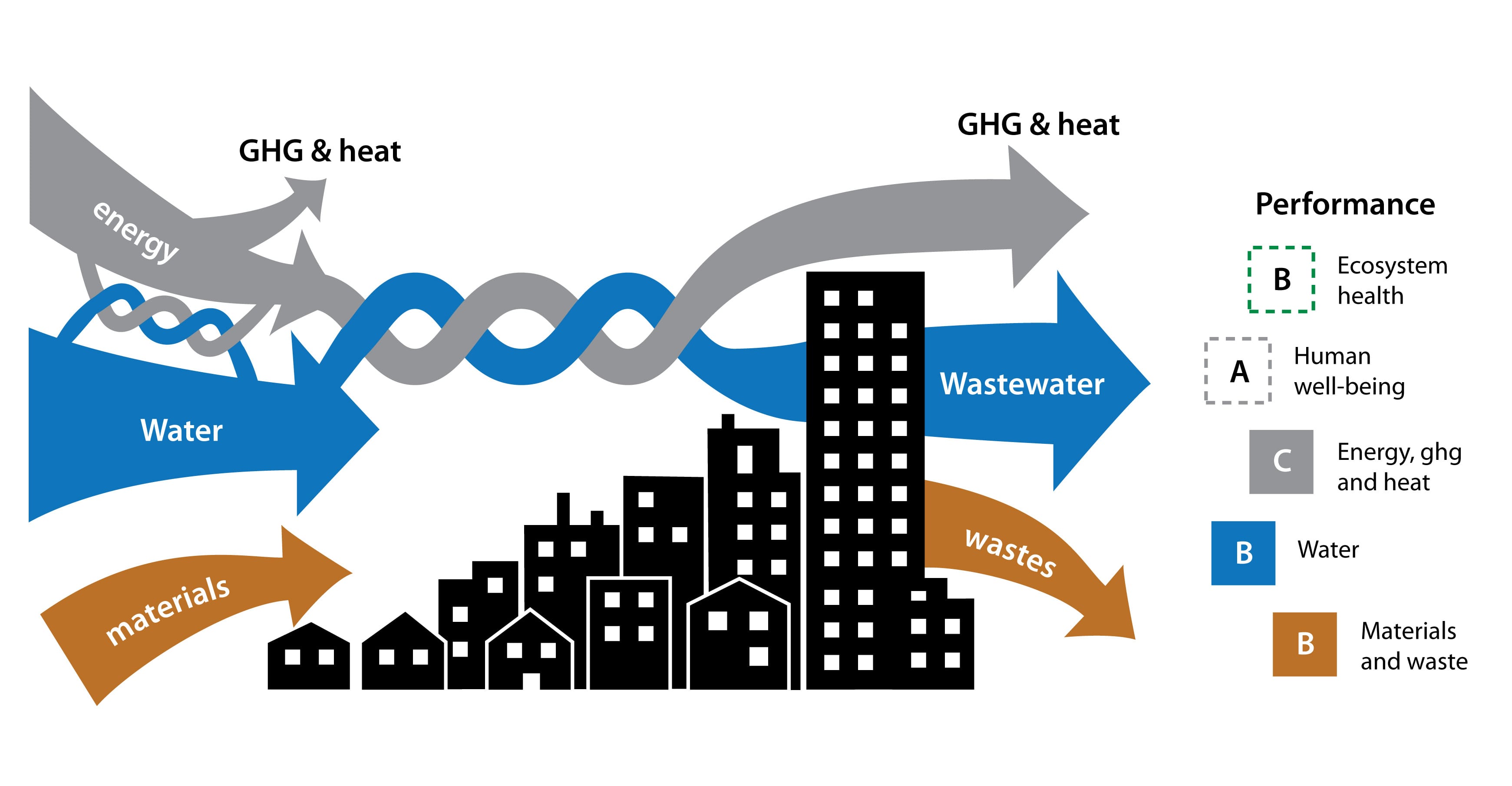
Biogeochemical cycles is also observed in metro manila since they have a great numbers of gaseous waste that are being circulated in the are and also the factories contributing to the polution happening in the area.
 Charles' blog